

Rats in your Drains? – a Guide
In this guide, we explain what really happens when rats get into the drainage system, the signs to look for, and how we deal with it safely and effectively.
It is not something most people want to think about, but rats in drains are far more common than many property owners realise.
Drainage systems provide warmth, shelter and easy movement through towns and cities. After heavy rain or flooding, rats are often forced out of flooded sewers and start searching for new routes, which sometimes leads them straight toward homes and businesses.
The reassuring part is that this is a well-understood problem with practical solutions. Here is how rats get into drains, the signs to watch for, and how we deal with it properly.
How rats get into drainage systems
Drain networks work a bit like underground roadways. Rats can travel long distances through them and enter private pipework wherever there is a weakness.
Common entry points include:
- Cracked or broken pipes
• Misaligned or loose joints
• Older clay drains with small gaps
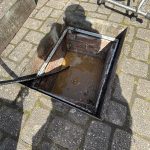
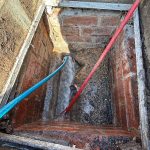
• Damaged inspection chambers
• Loose or missing covers
• Overflow points after heavy rainfall
Once inside, rats look for higher ground and weaknesses that allow them to move closer to buildings.
Signs rats may be active in your drains
Most customers contact us before they ever see a rat. The early signs usually show up through the drainage system itself.
Things to watch for:
- Drains blocking more often than usual
• Persistent sewage smells with no clear cause
• Gurgling sounds in pipework
• Outside gullies overflowing
• Drain flies appearing indoors
• Scratching or movement noises under floors or in walls
• Repeated pipe damage
• Strong ammonia-type odours
One sign alone may not mean rats, but several together are worth investigating.
Why it is important to deal with it quickly
Rats are not just unpleasant. They can cause genuine damage and health concerns.
They may:
- Chew through pipework and fittings
• Build nests that worsen blockages
• Contaminate wastewater systems
• Force sewage back toward the property
• Exploit small defects that become major repairs later
The earlier the issue is identified, the simpler the solution usually is.
What we do when we attend
We follow a clear process so nothing is left to guesswork. The aim is to confirm the problem, remove the cause and prevent it happening again.
Step 1. CCTV drain inspection
We begin with a camera survey inside the drainage system.
This allows us to confirm:
- Whether rat activity is present
• Where entry points exist
• Any pipe damage or defects
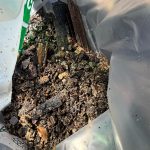
• Nesting material or heavy debris build-up
You see exactly what is happening rather than relying on assumptions.
Step 2. Cleaning and clearing the system
If debris, nesting material or waste build-up is present, we clear the line using high-pressure jetting and specialist equipment.
This restores proper flow and removes the conditions rats rely on.
Step 3. Removing nests and obstructions
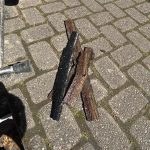
Where nests or significant blockages are found, they are mechanically removed and the surrounding pipework is checked carefully for damage.
Step 4. Installing rat blockers
One of the most effective long-term solutions is fitting a rat blocker, also known as a one-way valve, within the drain.
It allows wastewater to flow out normally but prevents rats travelling back toward the property.
It is discreet, maintenance-friendly and proven to work.
Step 5. Repairing entry points
If cracks, open joints or damaged sections are discovered, we recommend targeted repairs or drain relining where appropriate.
Stopping access is the key to preventing repeat problems.
Practical prevention tips
Not every case can be avoided, but you can reduce risk by:
- Dealing with recurring blockages early
• Repairing damaged drains promptly
• Keeping inspection covers secure
• Investigating unexplained smells or noises
• Checking drains after flooding events
Small warning signs are often the best opportunity to act before the problem grows.
Final thought
Most rat-in-drain issues can be resolved without major disruption when caught early. The difference comes down to proper inspection and permanent solutions rather than temporary fixes.
If something does not feel right with your drains, it is worth getting it checked. A quick inspection now is usually far easier than dealing with ongoing damage later.
Peace of mind tends to cost far less than repeated repairs.



For all your drainage problems, call The Drain People on 0116 296 8186
