

Blocked Drains – a Guide
In this guide, we explain what actually happens when drains block, the warning signs to look for, and what a professional drainage team does to diagnose and fix the issue.
Blocked drains are one of those problems most people do not think about until something stops working.
It might start with a sink draining slowly or a faint smell outside. Then suddenly water backs up, toilets struggle to flush, or an outside drain begins to overflow. During heavy rain, problems like this tend to appear faster because already restricted pipes simply cannot cope with the extra water.
Here is what is really happening inside the drain, what to look out for, and how we deal with it when we are called out.
Why drains block in the first place
Most blockages build gradually. Very rarely does a drain fail overnight.
Common causes include:
- Fat, oil and grease poured down sinks that later harden
• Wet wipes and sanitary products that do not break down
• Food waste and coffee grounds
• Hair and soap residue in bathroom pipes
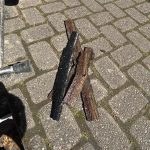
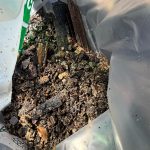
• Tree roots entering underground drains
• Cracked or damaged pipework
• Heavy rainfall overwhelming partially blocked systems
Often the drain has been struggling for months before it finally stops working.
What actually happens inside a blocked drain
As a blockage forms, water flow slows. Waste and debris begin collecting behind the restriction, which increases pressure in the pipe.
That is when symptoms start appearing:
- Sinks, baths or showers draining slowly
• Toilets filling higher than usual after flushing
• Gurgling noises from pipework
• Unpleasant smells from plugholes or outside drains
• Water backing up into the property
• Outside gullies overflowing
• In severe cases, internal flooding
At this stage the issue is no longer just inconvenient. Wastewater can cause contamination and property damage if left unresolved.
Early warning signs worth acting on
Catching the problem early usually means a quicker and cheaper fix.
It is time to get drains checked if you notice:
- Persistent slow drainage
• Toilets behaving inconsistently
• Strong drain odours
• Outside drains overflowing
• Water backing up elsewhere when taps run
• Multiple fixtures affected at once
These signs often mean the blockage sits further down the system rather than near the plughole.
What we do when we attend a blocked drain
Every job follows a clear process. The aim is not just to clear the drain but to understand why it blocked.
Step 1. Initial assessment
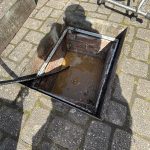
We check internal fixtures and external drainage points and ask about the symptoms you have noticed. This helps determine whether the issue is local or deeper within the system.
Step 2. Clearing the blockage
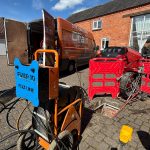
Most blockages are removed using professional equipment such as:
- High-pressure water jetting to cut through grease, scale and debris
• Mechanical cutting tools for stubborn obstructions
• Root cutting heads where tree roots are involved
The goal is full clearance, not simply pushing the blockage further along the pipe.
Step 3. CCTV inspection if needed
If the blockage keeps returning or appears severe, we carry out a CCTV drain survey.
A camera inspection allows us to check for:
- Cracked or collapsed pipes
• Root ingress
• Misaligned joints
• Heavy internal build-up
Seeing inside the drain removes guesswork completely.
Step 4. Repair or relining
If structural damage is found, we may recommend:
- Localised repairs
• Patch lining
• Full drain relining
• Excavation where unavoidable
Modern relining methods often allow pipes to be repaired internally without digging up gardens or driveways.
Why acting quickly matters
Waiting rarely improves a drainage problem. Early action can:
- Keep repair costs lower
• Prevent flooding
• Avoid damage to flooring or walls
• Reduce health risks
• Restore normal use faster
A small restriction today can become a major repair tomorrow.
Simple ways to reduce blockages
A few habits make a noticeable difference:
- Avoid pouring fats or oils down sinks
• Do not flush wipes, even labelled ones
• Use strainers in kitchen sinks
• Consider periodic maintenance jetting
• Investigate recurring problems early
• Check drains after heavy storms or flooding
Most serious blockages start as minor ones that were ignored.
When to call a professional
If your drains are slow, noisy, smelly or backing up, it is usually time to get them checked.
The right equipment and a proper diagnosis make all the difference between a quick fix and an ongoing problem.
And once drains are working properly again, they should quietly stay that way.


For all your drainage problems, call The Drain People on 0116 296 8186
