

Blocked Sink or Toilet? – a Guide
In this guide, we explain the common causes, the warning signs, and exactly what we do when we are called out to unblock sinks and toilets.
A blocked sink or toilet never happens at a convenient time.
It usually starts small. Water drains a bit slower than normal. The toilet takes longer to empty. Then suddenly you are dealing with rising water, unpleasant smells, or facilities you simply cannot use.
The good news is that most sink and toilet blockages can be sorted quickly when the right tools and approach are used. The key is understanding what caused it and clearing it properly the first time.
Here is what typically goes wrong and what we actually do when we attend.
What usually causes sink and toilet blockages
Most blockages do not appear overnight. They build gradually through everyday use.
Common causes of blocked sinks
- Grease and cooking fat washed down the sink
• Food waste and coffee grounds
• Soap residue and limescale build-up
• Hair and grooming debris
• Cleaning products leaving deposits inside pipes
Grease is one of the biggest culprits. It goes down as a liquid, then cools and hardens further along the pipe.
Common causes of blocked toilets
- Wet wipes and sanitary products
• Excess toilet paper
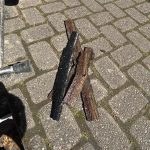
• Foreign objects accidentally flushed
• Children’s toys or household items
• Scale build-up in older pipework
Even wipes labelled “flushable” rarely break down properly once inside real drainage systems.
What actually happens when a blockage forms
As flow slows, waste and water begin collecting behind the obstruction. Pressure builds and performance drops.
You might notice:
- Sinks draining slowly
• Water rising higher in the toilet bowl
• The need to plunge repeatedly
• Gurgling noises from nearby pipes
• Bad smells from plugholes or toilets
• Water backing up elsewhere in the property
Continuing to use the system usually makes things worse rather than better.
Early warning signs worth acting on
Catching a blockage early often turns a major problem into a quick visit.
It is time to call someone if you notice:
- Drainage slowing repeatedly
• Toilet water levels higher than usual
• Blockages returning after being cleared
• More than one fixture affected
• Persistent odours
• Water backing up when another appliance is used
These signs often point to a deeper restriction rather than a simple surface clog.
What we do when we attend a blocked sink or toilet
We follow a straightforward process designed to fix the issue properly, not just temporarily.
Step 1. Find where the problem actually is
We check the fixture, nearby pipework and drainage layout to work out whether the blockage is local or further down the system.
Step 2. Protect the area
Before starting, we protect surrounding surfaces and contain splash risk. Drain work can get messy if rushed, so preparation matters.
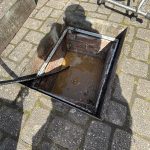
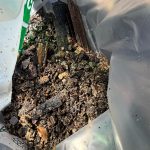
Step 3. Clear the blockage properly
Depending on what we find, we may use:
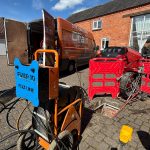
- Professional drain rods
• Sink or toilet augers
• Mechanical cutting equipment
• Targeted high-pressure jetting where needed
The aim is full removal, not pushing debris further along the pipe.
Step 4. Test the system
We run flow tests afterwards to make sure water drains consistently and the problem has genuinely been resolved.
Step 5. Give prevention advice
If build-up or usage habits caused the issue, we explain simple ways to reduce the chances of it happening again.
When a “simple” blockage is not simple
If a sink or toilet keeps blocking, the issue may sit deeper within the drainage system.
In those cases, we may recommend:
- CCTV drain inspection
• Pipe condition checks
• High-pressure cleaning to remove scale or grease
• Minor repair or relining where needed
This removes guesswork and stops repeat callouts.
Why professional unblocking makes a difference
DIY chemicals and constant plunging often deal with symptoms rather than causes. Some chemical cleaners can even damage pipework over time.
Professional clearance:
- Removes the full obstruction
• Protects the pipe system
• Reduces repeat problems
• Restores proper flow quickly
• Keeps disruption and mess to a minimum
Done properly, you should not have to think about the drain again.
Prevention tips that genuinely help
A few small habits make a big difference:
- Avoid pouring fats or oils down sinks
• Use sink strainers where possible
• Put wipes in the bin, not the toilet
• Avoid excessive toilet paper use
• Keep small objects away from toilets
• Act early when drainage slows
Most serious blockages start as small ones that were ignored.
Final thought
Blocked sinks and toilets are usually straightforward to fix when handled early and properly. Left too long, they can turn into overflow, contamination and pipe damage.
If your sink or toilet is slow, backing up, or blocking repeatedly, getting it cleared properly once is almost always quicker and cheaper than dealing with the same problem again later.
And honestly, getting things back to normal quickly is what everyone wants.
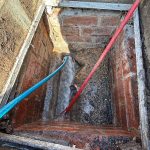


For all your drainage problems, call The Drain People on 0116 296 8186
